TDCCommerce Apps are purpose-built add-on modules that extend ERP functionality for specific business needs. Offered as paid add-ons, they help teams reduce manual effort, streamline everyday operations, and tailor the ERP experience as operations grow.
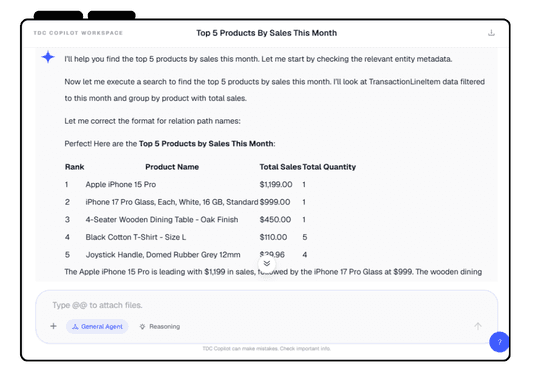
This AI-powered module automates fraud detection, order verification, invoice validation, and customer interactions. It reduces errors, speeds up workflows, and supports better operational outcomes.
Boost customer lifetime value with a built-in loyalty program featuring tiered memberships and rewards for purchases, reviews, and referrals. Flexible redemption options are integrated with orders and accounts.
.png&w=3840&q=75)
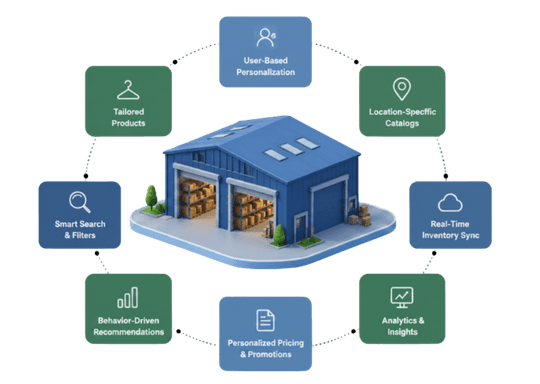
Create and assign unique catalogs for customers, organizations, or storefronts to control product visibility and pricing. It supports tailored shopping experiences from one centralized platform.
Manage product questions and reviews through an integrated solution that builds customer trust. Teams can moderate content, manage responses, and review feedback through a centralized dashboard.
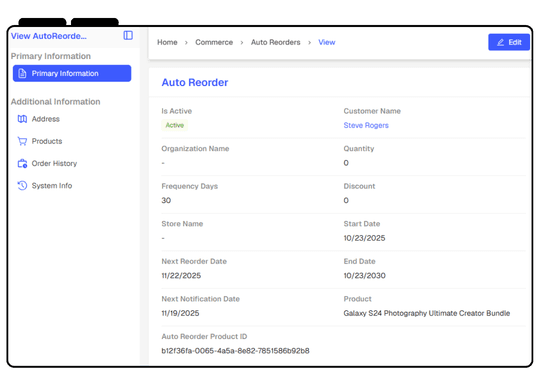
Convert one-time purchases into recurring revenue with a built-in subscription solution. Customers can schedule automatic reorders at flexible intervals, such as weekly or monthly, and manage their plans through a customer portal. The system automatically manages recurring billing, renewal reminders, and inventory validation.
Designed to centralize task management and activity tracking to improve collaboration, visibility, and accountability across teams. It supports smoother workflows and adapts to growing business needs.
Standard ERP systems may not fully support specialized tasks, industry-specific requirements, or unique business operations. Additional ERP apps within the platform help businesses handle process-specific requirements more effectively within the ERP environment.
Businesses often need different modules and features based on their teams, processes, and growth plans. Choosing and paying for only the modules needed helps tailor the system to business requirements while allowing the system to adapt alongside changing business needs.
Using separate systems and disconnected tools can create gaps in information sharing and reduce visibility across departments. Applications that work within the same platform help maintain connected information flow and provide a more consistent system experience.
%2520(1)%2520(3).png&w=3840&q=75)